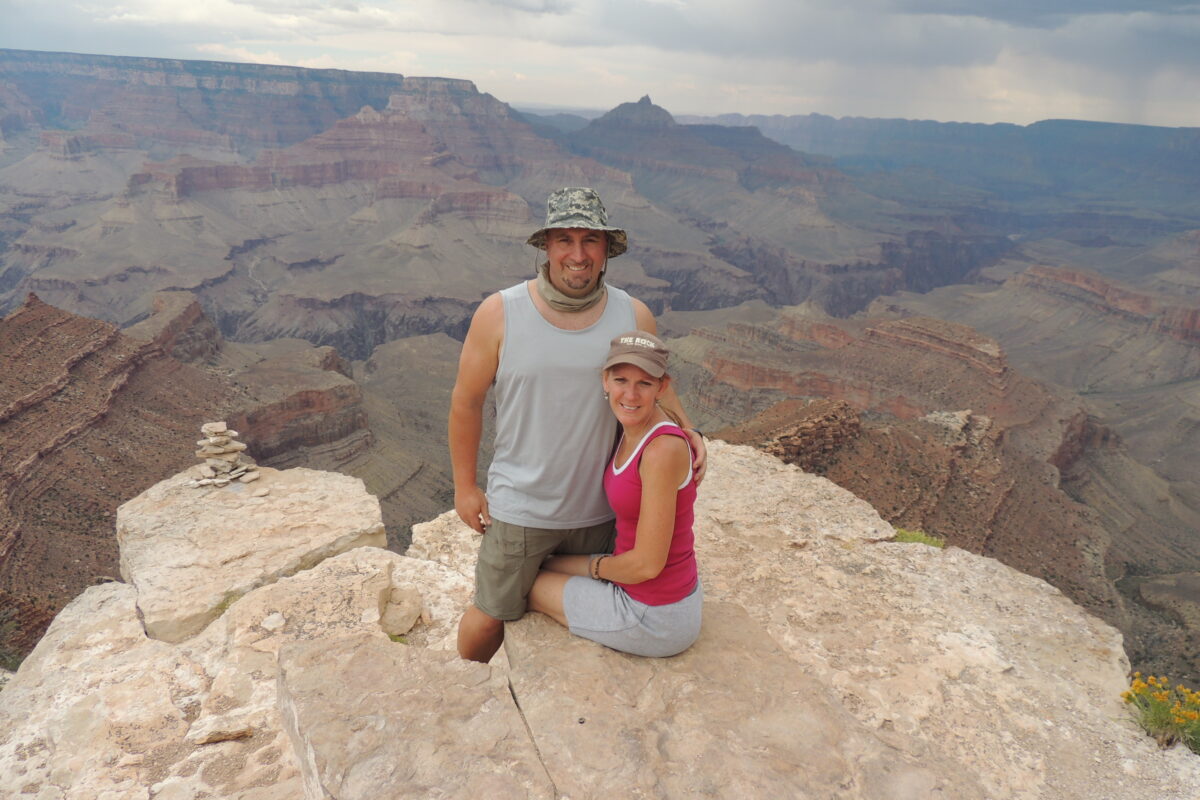
I remember the exact moment I realized my warranty had expired. I was somewhere in the distinct haze of my 40th birthday week. I hadn’t done anything particularly strenuous. I hadn’t run a marathon or climbed a peak in the Andes. I had simply slept in a slightly weird position. When I woke up, my neck was locked in a painful twist that took three days to unwind. It was a subtle, nagging reminder that the rules had changed. It was time to get serious about longevity habits after 40.
Up until this point, I treated my body like a rental car. I drove it hard. I fueled it with whatever was convenient. I relied on the resilience of youth to bounce back from jet lag, bad food, and missed sleep. But that morning, staring at the ceiling and unable to turn my head to the left, I realized the “bounce back” wasn’t happening anymore.
The conversation around aging is usually polarized. On one side, you have the “give up” mentality where people accept decline as inevitable. On the other, you have the tech-bros in Silicon Valley spending millions on biohacking, red light therapy, and pills that sound like science fiction.
I am not interested in either. I just want to be able to hike my favorite trails when I’m 70. I want to carry my own luggage. I want to get down on the floor to play with my future grandkids and—crucially—be able to get back up again.
Here is a realist’s guide to keeping the machine running.
The Mindset Shift: Why Longevity Habits After 40 Matter
There is a critical distinction we need to make right away. It is the difference between Lifespan and Healthspan.
Lifespan is simply the number of years you are alive. Modern medicine is very good at extending this. We can keep hearts beating and lungs inflating for a long time.
Healthspan, however, is the number of years you spend in good health. It is the period of life where you are functional, free from serious chronic disease, and capable of doing the things you love.
When we talk about longevity, we are really chasing healthspan. We are trying to square the curve. We want a high quality of life for as long as possible, followed by a quick decline at the very end. The goal isn’t just to be alive at 90. The goal is to be living at 90.
This shift changes how you view your daily choices. Exercise isn’t about looking good in a swimsuit anymore. It is about retirement savings for your muscles and bones.
Nutrition: Moving From Dieting to Fueling
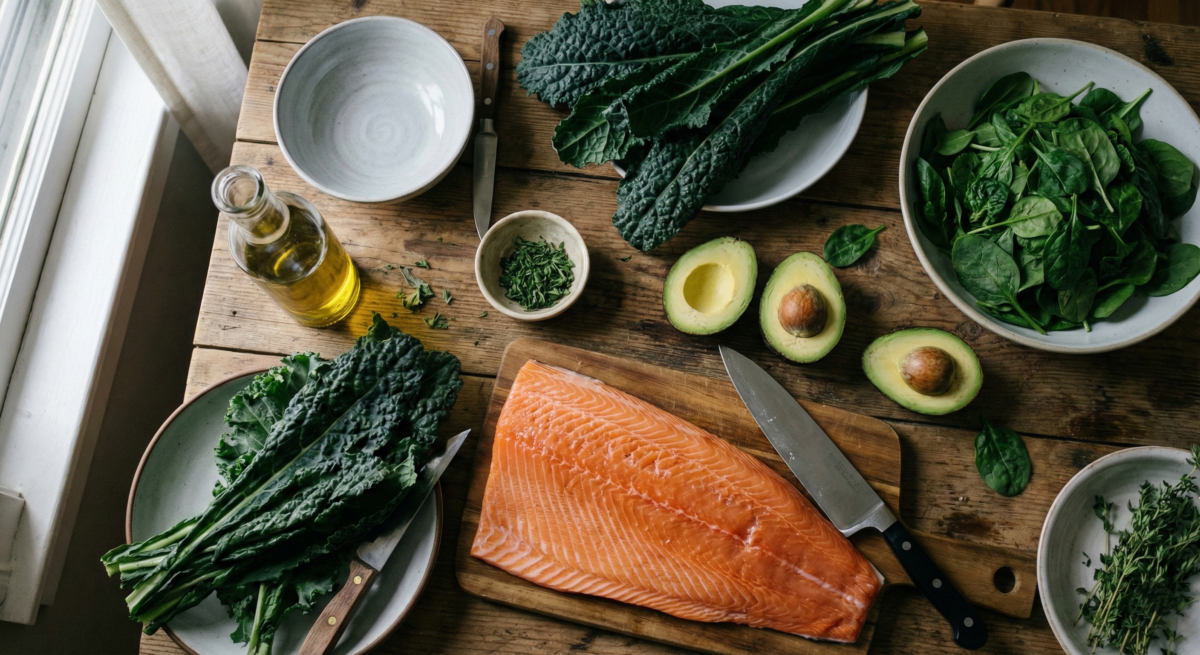
In my 20s and 30s, food was an adventure. It was street tacos in Mexico City and late-night pasta in Rome. I still love those things. But I have had to change the ratio of “fun” food to “fuel” food.
The biggest change I made was regarding protein.
The Protein Priority
As we age, we naturally lose muscle mass. This process is called sarcopenia. It is silent and slow, but it is one of the biggest threats to independent living as we get older. To combat this, you have to prioritize protein.
I stopped thinking of protein as a bodybuilder thing and started seeing it as structural maintenance. I aim for high-quality protein at every single meal.
- Eggs or Greek yogurt at breakfast.
- Lean chicken or fish at lunch.
- Beans, lentils, or meat at dinner.
Reducing the “Ultra-Processed” Noise
I don’t believe in strict elimination diets unless you have a medical condition. They make life miserable and travel impossible. However, I have drastically cut down on ultra-processed foods. These are the things that come in crinkly packages with ingredients you can’t pronounce. They are designed to make you overeat.
My rule is simple. If I’m going to eat something unhealthy, I want it to be high quality. I will eat a handmade croissant from a bakery in Paris. I will not eat a packaged honey bun from a gas station.
Movement: It’s Not Just About the Gym Anymore
I used to judge a workout by how much I sweated or how sore I was the next day. Now, I judge it by how well I move.
The “Floor Test”
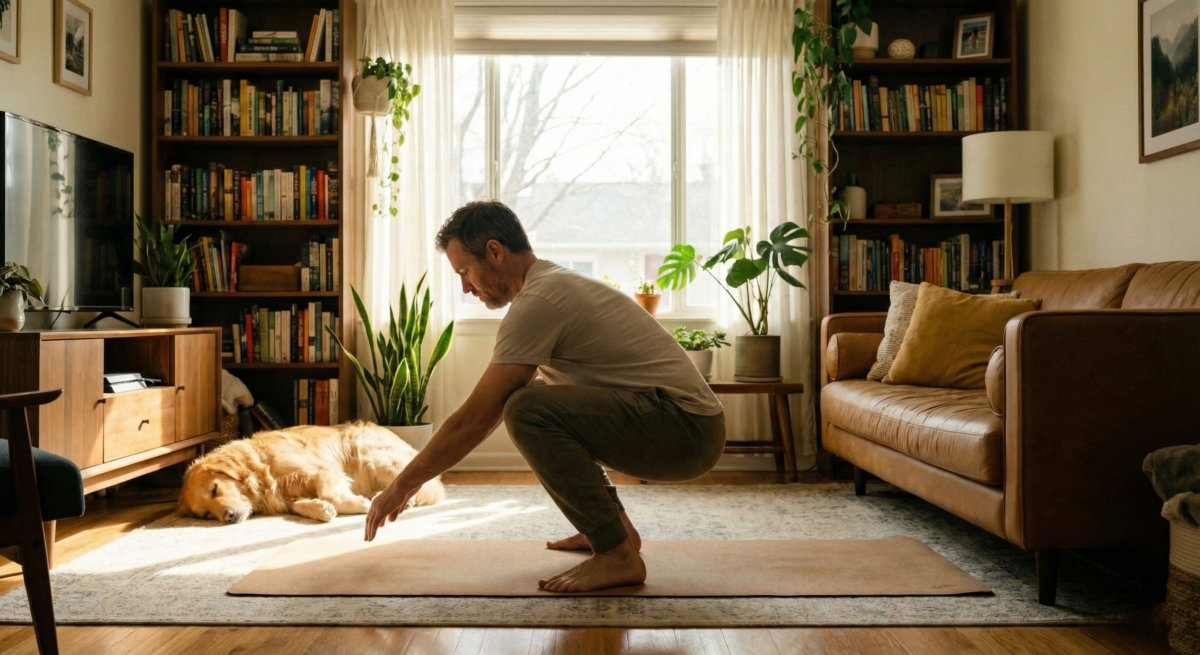
This is a humbling reality check. Can you sit down on the floor, cross-legged, and then stand back up without using your hands or knees for support?
This simple movement requires mobility, balance, and core strength. It is surprisingly predictive of longevity. I realized my hips were getting tight from years of sitting on planes and in front of laptops. I started incorporating mobility work every morning. just 10 minutes.
- Deep squats (holding onto a doorframe if needed).
- Hip openers.
- Hanging from a pull-up bar to decompress the spine.
Zone 2 Cardio
High-intensity interval training (HIIT) was all the rage for years. It has its place. But for longevity, the magic happens in Zone 2.
This is steady-state cardio where you can still hold a conversation, but it would be slightly annoying to do so. It’s a brisk walk, a slow jog, or a casual bike ride. It builds mitochondrial efficiency. It is the base of the pyramid. I try to get three hours of this a week. It’s unsexy. It’s boring. It works.
The Silent Killers: Sleep and Stress Management
We live in a culture that glorifies the hustle. “I’ll sleep when I’m dead” is a phrase I used to hear a lot. The irony is that if you don’t sleep, you get there a lot faster.
Sleep is when the brain cleans itself. It is when the body repairs the damage from the day. In my 40s, I realized that a bad night of sleep ruins my emotional regulation and my focus for two days straight.
My Non-Negotiables for Sleep:
- Cool room: I keep the thermostat low.
- Darkness: Blackout curtains are worth every penny.
- No screens: I try to put the phone away 30 minutes before bed. I fail at this sometimes. But I try.
- Caffeine cutoff: No coffee after 12:00 PM. This was the hardest habit to break, but it changed my sleep quality instantly.
Community as Medicine
I have studied many of the world’s “Blue Zones”—places like Sardinia and Costa Rica where people live exceptionally long lives. You notice something immediately. They are never alone.
They are constantly surrounded by family, friends, and neighbors. They walk to the market and talk to the vendor. They eat lunch with their families.
Loneliness is a poison. It raises cortisol and inflammation. In our modern, western lives, we often isolate ourselves in our houses and cars.
Make the effort. Schedule the dinner with friends. Join the run club. Call your parents. This isn’t just “nice to have.” It is biological maintenance.
Creating a Routine That Sticks
The biggest mistake I see people make is trying to change everything on a Monday morning. They buy the kale, the gym membership, the supplements, and the sleep tracker. By Thursday, they are exhausted. By the following Monday, they have quit.
The 80/20 Rule Aim for consistency, not perfection. If you eat well and move your body 80% of the time, you are doing great. The other 20% is for life. It’s for birthday cake, lazy Sundays, and unexpected travel delays.
Pick one thing from this list to start. Maybe it is just drinking more water. Maybe it is a 20-minute walk after dinner. Do that until it is automatic. Then add the next thing.
The goal is not to be the fittest person in the cemetery. The goal is to enjoy the ride for as long as possible.