
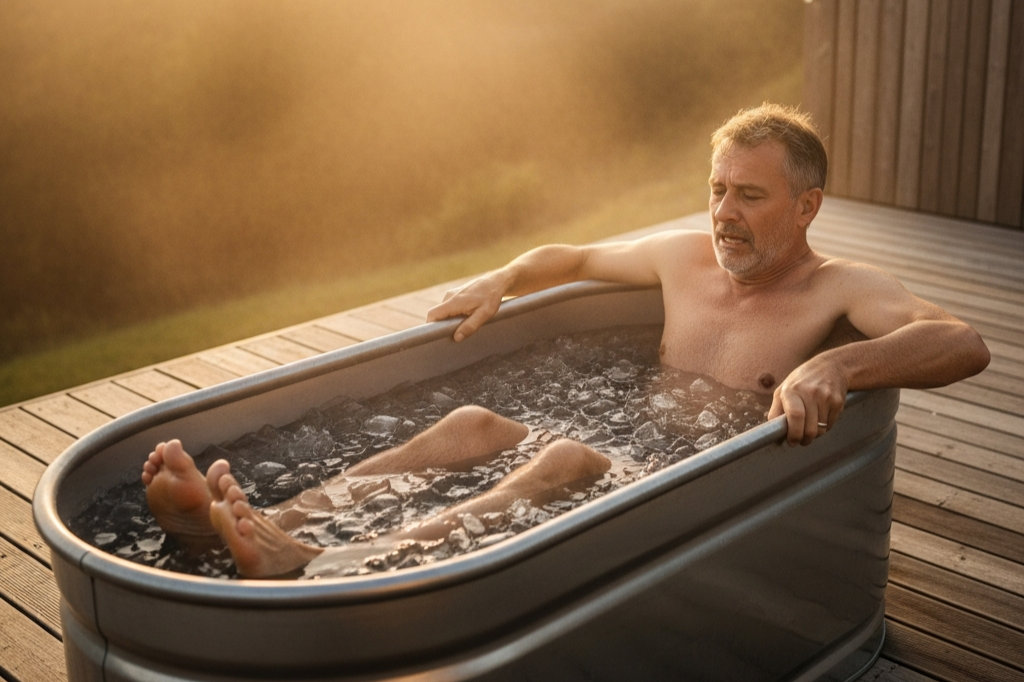
I’ve never been bothered by a cool breeze, but anything approaching extreme cold has always made me uncomfortable. But after years of racking up miles on long-haul flights and waking up with the kind of deep-set joint aches that coffee couldn’t fix, I started looking for alternatives.
I kept reading about the benefits of cold therapy, not just from extreme athletes looking for an edge, but from normal people just trying to feel a little less inflamed. I decided to give it an honest month-long trial, and while the first few days were miserable, it completely overhauled my approach to recovery and daily energy.
The Initial Shock: Why I Started Cold Water Immersion
My journey didn’t start in a high-tech $5,000 plunge tub looking out over a mountain range. It started in a slightly mildewy hotel shower in Seattle after a grueling cross-country flight. My lower back was seized up, and my brain felt foggy.
I had read that cold water immersion could shock the system back into gear. With zero enthusiasm, I turned the hotel shower handle all the way to the blue side at the end of my shower.
The shock was visceral. I gasped involuntarily. Every instinct told me to jump out. I lasted maybe fifteen seconds before scrambling for a towel. But ten minutes later, while getting dressed, I realized something strange. The throbbing in my lower back had dulled significantly, and the mental fog had lifted. I felt awake in a way that a double espresso never quite achieves. That fifteen seconds of misery bought me four hours of productive clarity. I was intrigued enough to try it again the next day.
Unpacking the Benefits of Cold Therapy
When you strip away the hype and the social media posturing, the core benefits of cold therapy are rooted in how your body handles stress. It’s a controlled fight-or-flight response that forces your system to adapt. Over time, I found the results fell into two distinct categories: physical recovery and mental resilience.
Managing Physical Inflammation
For me, this is the most tangible benefit. If I’ve spent a day hiking on uneven terrain or sitting crumpled in an economy seat, my joints feel swollen and stiff the next morning.
Cold therapy acts like a full-body ice pack. The cold constricts blood vessels, flushing out lactic acid and reducing swelling in tissues. When you step out of the cold and warm up, oxygenated blood rushes back in.
I noticed that if I did a brief cold plunge or shower after a hard workout, my delayed onset muscle soreness (DOMS) the next two days was cut in half. It doesn’t erase the work you did, but it speeds up the timeline for feeling normal again.
The Mental Clarity and Dopamine Shift
The physical stuff is great, but the mental shift is why I kept doing it. Stepping into freezing water requires an immediate, intense act of willpower. You have to override your brain’s panic signals.
Once you are in, you have to focus entirely on your breathing just to stay calm. It forces a meditative state because you cannot worry about your email inbox when you are freezing.
When you step out, your brain rewards you for surviving the “threat.” There is a documented spike in dopamine—the feel-good neurotransmitter—that lasts for hours. It’s a calm, focused energy. Unlike a caffeine spike, there are no jitters and no crash. It’s just clean clarity.
How to Build a Realistic Cold Plunge Routine
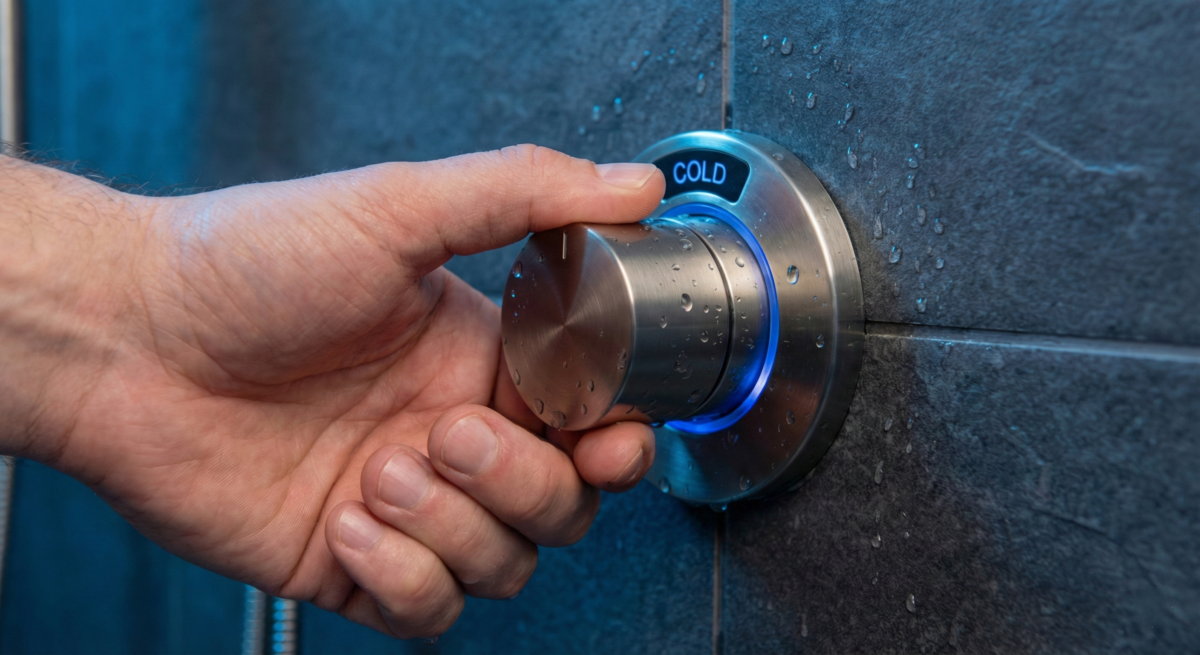
You do not need expensive equipment to start this. In fact, I think buying a giant tub right away is a mistake. Start simple to see if you can actually sustain the habit.
The Cold Shower Method
This is the most accessible entry point and where I started.
- Step 1: Take your normal warm shower. Get clean and relax.
- Step 2: At the very end, turn the water to increasingly colder settings. Don’t just slam it to freezing immediately.
- Step 3: Once the water is cold enough to make you gasp, stay under it. Focus on long, slow exhales.
- Step 4: Start with 30 seconds. Aim to add ten seconds every few days until you can comfortably handle two minutes.
The Hotel Ice Bath Hack
If you are traveling and really need a deeper reset than a shower can provide, you can hack a cold plunge in almost any hotel room with a bathtub.
- Call the front desk and ask for two extra large garbage bags.
- Go to the ice machine down the hall and fill the bags.
- Fill the bathtub halfway with the coldest tap water available.
- Dump the ice in.
- Warning: This gets very cold, very fast. Enter slowly and keep your hands above water if it feels too intense, as your extremities feel the cold fastest.
What to Expect in Your First 30 Days
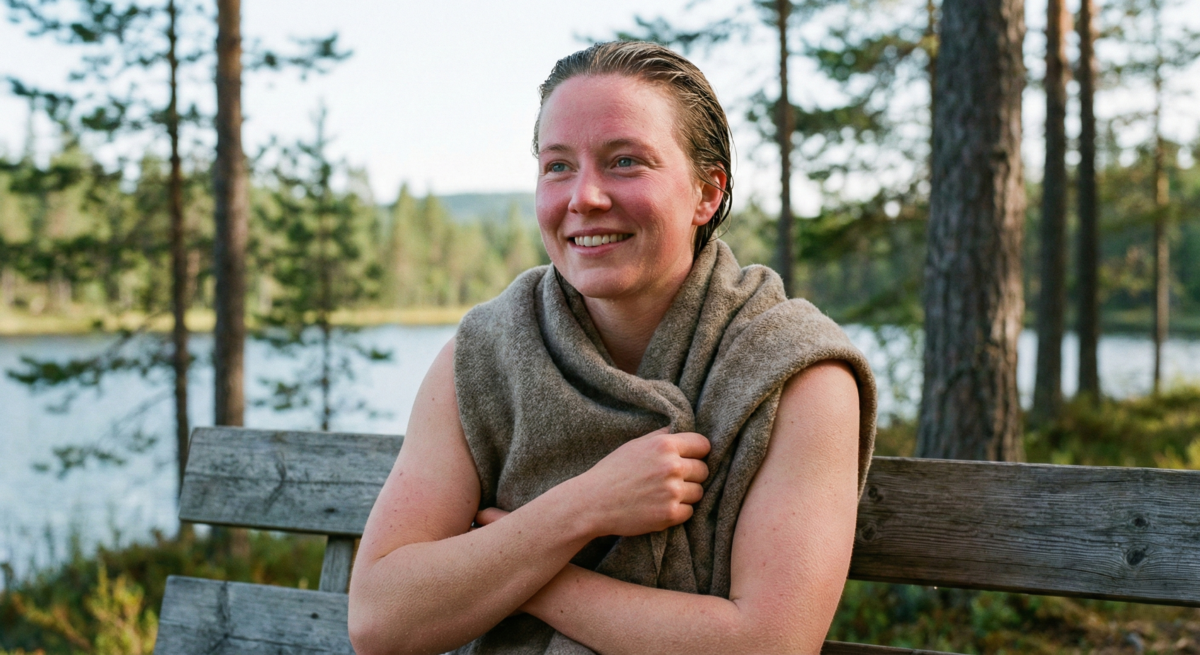
If you decide to commit to this, it helps to know the timeline of adaptation. It does get easier, but the first week is a hurdle.
- The First Week is Pure Willpower: You will dread it every morning. You will stare at the shower handle and bargain with yourself. Do it anyway. The victory is just showing up.
- The Shivering Phase: You might shiver for twenty minutes after getting out. This is normal. It’s your body trying to warm back up. Dress warmly immediately after drying off.
- The Craving (Week 3): Around the third week, something shifted for me. I woke up feeling groggy and my body actually craved the cold shock because it knew the reward that was coming afterward.
- Listen to Your Body: More colder isn’t always better. If you are already sick or deeply run down, skipping a day is fine. This is meant to aid recovery, not add another stressor that breaks you.
Final Thoughts on Embracing the Cold
Cold therapy isn’t a magic bullet that fixes a bad diet or lack of sleep. But it is an incredibly effective tool in the toolbox for managing a busy life.
It’s a daily practice of doing something difficult immediately upon waking up. It builds a mental callus that says, “I can handle discomfort.” When you start your day by voluntarily stepping into freezing water, the rest of the day’s problems seem a lot more manageable in comparison. It’s a small dose of adversity that keeps you sharp.
Comments are closed.